by Ian Toner
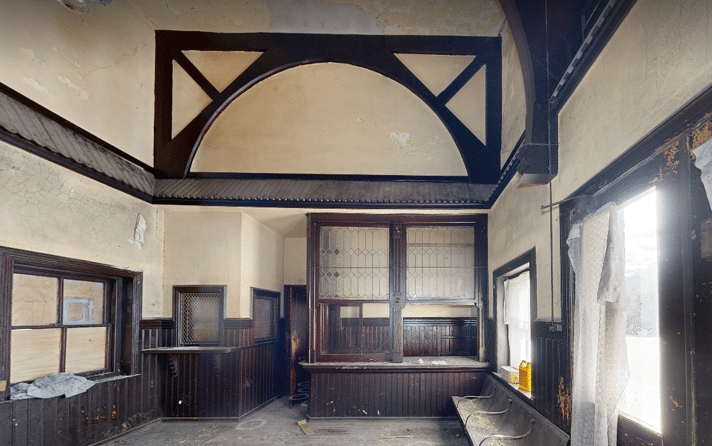
If you ride the Philadelphia regional rail, you’ve probably seen more than one old, boarded-up station building and wondered — why is that there? These buildings are leftovers of a bygone era, when platforms had ticket windows, and stationmasters lived on site with their families, tending to the needs of both passengers and the trains that carried them. Today, these buildings are owned by SEPTA but are underused and present a great opportunity to preserve our architectural heritage, improve neighborhoods, and provide much-needed housing along transit lines.

Philadelphia’s Transit Infrastructure Has More Potential Than We’re Using
Many of the SEPTA regional rail buildings were built in the mid- to late-1800s. Given the massive changes in how we use transit since then, it’s no wonder these station buildings are underutilized. With electronic ticketing and electric trains, the need for a full-time stationmaster, a ticketing window, and a baggage room just isn’t there. Over the years, SEPTA has done what it needed to do to maintain the buildings, keeping them secure and dry. However, given a renewed interest in our history and the pressures of modern development, these buildings shouldn’t be frozen in amber any longer.
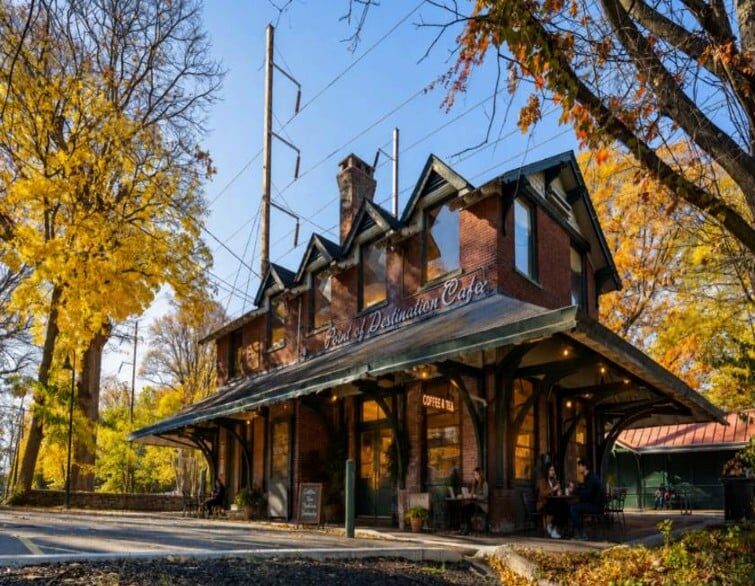
By virtue of their original purpose, these station buildings are ideally located for neighborhood businesses and residents. After all, the reason they are where they are was that people would be nearby–sometimes because the stations were located in or near already-thriving neighborhoods, and sometimes because they sparked neighborhood-building just by being there. As Philadelphia’s population grows, our dependence on transit will only increase, bringing more people to these stops. What a great opportunity for a community bookstore, cafe, or fitness center (or coffee shop, such as at SEPTA’s Richard Allen Lane station on the Chestnut Hill West line).


What Makes Transit Structures Good Candidates for Conversion
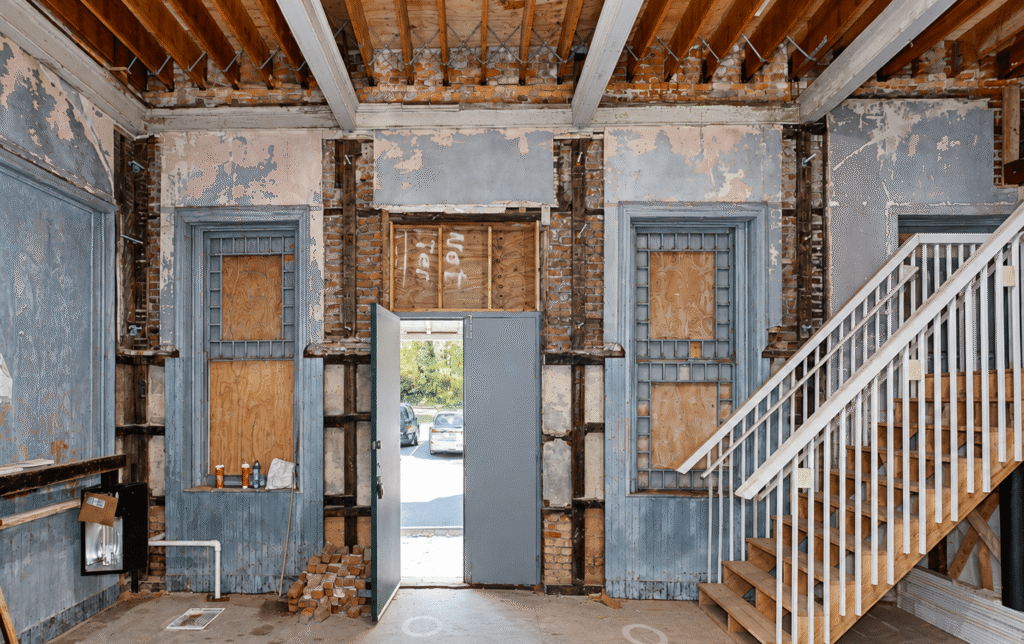
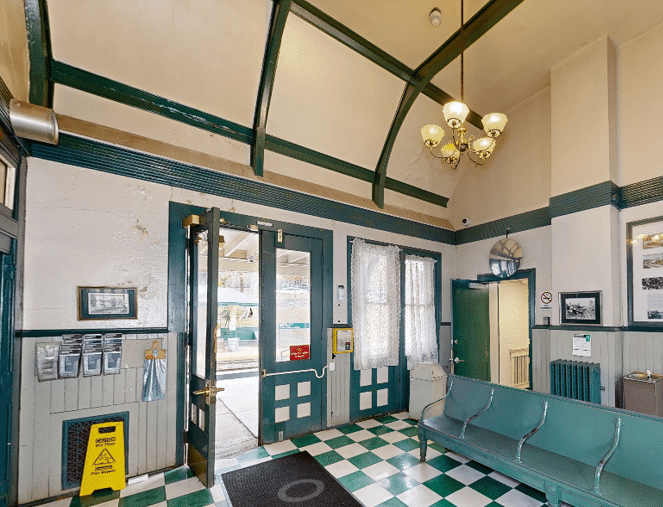
Part of properly adapting an old building is understanding what it was built for and how its existing “bones” can serve a new purpose. In addition to their great locations, the infrastructure buildings were built to withstand heavy use and wear and tear. The public areas often have fine detailing, high ceilings, and large windows. They also have often never been through an extensive renovation, which means much of the original character is there to be appreciated – a very important thing to consider with a historic property. And as mentioned above, SEPTA has generally done a good job of protecting its buildings from the sort of damage wrought by scavengers, animals, and water.

The Real Challenges: Zoning, Permitting, and Historic Review
One of the biggest challenges with reusing a transit building is getting the right to do it. As you might imagine, transit agencies’ first priority is transit, not old buildings they don’t use. There’s a lot of bureaucracy in the way of getting started. However, forward-thinking agencies like SEPTA will sometimes look at their building stock and say, “we can save money by letting someone else take care of this for us”. This is what happened recently, when five stations along the Chestnut Hill East and West lines were offered up for development.
These stations fit the old paradigm – an existing ground-floor station with an apartment above. Our team was brought in to help design the renovations, as well as work through the approvals process, which involves the National Park Service, the Philadelphia Historical Commission, SEPTA, and the city’s Department of Licenses + Inspections for zoning and building permits. Using historic-building carveouts in the zoning code, we were able to get permission for mixed-use buildings. Working with the Park Service and the Historical Commission, we got approval for the interior and exterior renovation work. It’s not an easy set of approvals, but based on our adaptive reuse work on other projects, we knew we could get it done.
What This Could Look Like in Practice
So, what are some uses that would work in an old transit building? As noted above, we have an example of a popular coffee shop in the Richard Allen Lane station in Philadelphia. Many small stations across the country have been converted to offices, retail, or other restaurant uses, or in some cases into private residences. Perhaps the most famous attraction is the Reading Terminal Market, one of Philadelphia’s most popular tourist destinations.
Why This Matters for Philadelphia Today
Adaptive reuse of older buildings offers many benefits. It allows us to hold on to a part of our history. Keeping old buildings helps reduce the amount of energy spent on construction, as well as the amount of materials needed. It can allow a disused building to become an enhancement to its neighborhood by providing public uses, and it can also provide the potential for additional residential space in neighborhoods that may not have much space for additional development.
Most of us love the old buildings we see around us, and it can be hard to imagine what to do with a building whose original purpose no longer exists. It’s up to all of us to be visionaries and consider how we can reuse these structures so that they are maintained and enjoyed for years to come.
If you have a building that you think could use a new life, get in touch to start a conversation. We love old buildings, and we love envisioning new possibilities for our historic heritage and for our future.